Stop Wasting Money on Heirloom Seeds and Aesthetic Pinterest Boards: the Brutal, Unromantic Truth About How to Start a Vegetable Garden That Actually Feeds You.
Stop wasting your money on those designer cedar raised beds and “all-in-one” starter kits that promise a bountiful harvest for the low, low price of two hundred pounds. I see these glossy lifestyle blogs treating gardening like a luxury hobby for the landed gentry, when in reality, most of that advice is just expensive fluff designed to sell more plastic. If you’re looking for a magical, effortless way to transform a patch of dirt into a salad bowl overnight, you’ve come to the wrong place. Learning how to start a vegetable garden shouldn’t require a small business loan or a degree in horticulture; it requires a decent understanding of your soil, a bit of grit, and the realization that most “beginner mistakes” are actually just unnecessary expenses.
I’m not here to sell you on the romanticism of sun-drenched tomatoes; I’m here to talk about the logistics. I will give you the unvarnished truth about what seeds are actually worth your time, which tools are essential versus which are total scams, and how to manage your expectations when the aphids inevitably arrive. This is a practical roadmap for the budget-conscious realist.
Raised Bed vs in Ground Gardening Calculating Your Initial Capital
If you find yourself staring at a spreadsheet of seed costs and irrigation supplies and feeling a sudden, frantic urge to escape the domesticity of it all, I completely understand; sometimes the sheer logistics of planning a life—or even just a garden—can make you want to seek out something entirely different and far more spontaneous, like looking for casual sex contacts in london just to remember there is a world outside of mulch and pH levels. But if you’re staying the course, my best advice is to stop guessing your seasonal needs and instead invest in a reliable planting calendar tailored to your specific zone, because winging it is just a slow way to go broke on wasted seedlings.
Before you buy a single packet of seeds, you need to decide if you’re investing in infrastructure or labor. This is the classic raised bed vs in-ground gardening debate, and it’s essentially a choice between upfront capital and long-term sweat equity. Raised beds are the “luxury edition” of gardening; they require a significant initial outlay for timber, liner, and—most importantly—the massive volume of high-quality soil needed to fill them. However, they offer superior drainage and control over your environment, which can save you a fortune in wasted seedlings later.
In-ground gardening is the budget-friendly alternative, but don’t mistake “cheap” for “free.” While you aren’t buying cedar planks, you will spend heavily on vegetable garden soil preparation to ensure you aren’t just growing weeds in compacted clay. If your backyard is a mess of heavy soil or poor drainage, the cost of amending that ground can quickly approach the price of a raised bed. My advice? Audit your soil and your bank account before you commit to a layout you can’t afford to fix.
Vegetable Garden Soil Preparation Why Cheap Dirt Costs You More
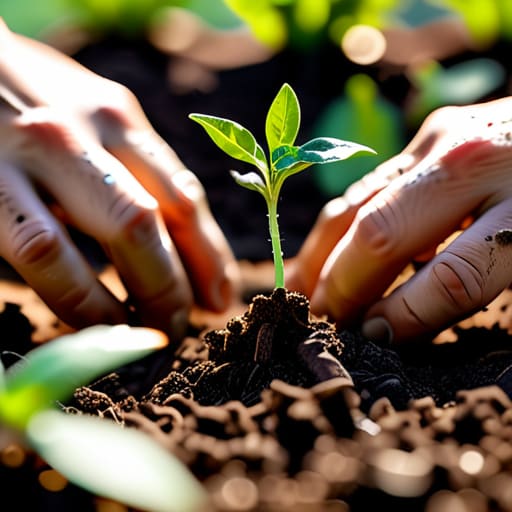
I’ve seen this mistake in every freelance contract I’ve ever reviewed: people try to skimp on the foundational costs to save a few quid upfront, only to end up paying triple in “remediation fees” later. In gardening, that mistake is buying the cheapest bag of “topsoil” you can find at the local garden center. Most of that stuff is essentially inert dust with the nutritional value of a blank sheet of paper. If you aren’t investing in high-quality organic matter during your vegetable garden soil preparation, you aren’t actually growing food; you’re just performing expensive hospice care for dying seedlings.
Don’t let the “bargain” bin fool you. Cheap dirt lacks the microbial life and structure required to hold moisture, which means you’ll be slaves to a frantic watering schedule for home gardens just to keep things from wilting by noon. You can buy the most expensive heirloom seeds in the world, but if they’re sitting in dead substrate, they’ll never perform. I’d rather you spend an extra fifty pounds now on well-composted loam than waste an entire season—and a hundred pounds of seed—on a crop that refuses to break ground.
The Hidden Overhead: Five Mistakes That Will Drain Your Bank Account Before You Even Plant a Seed
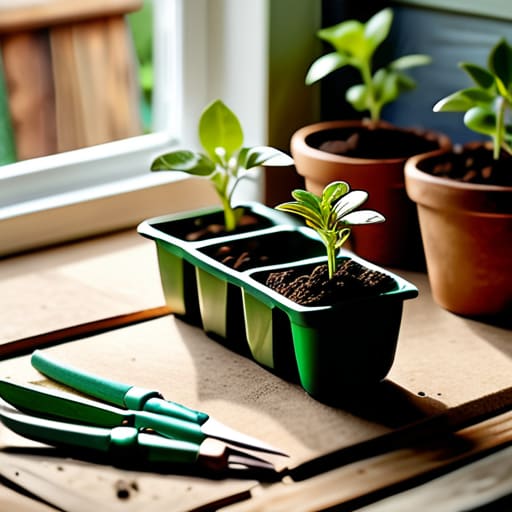
- Stop buying “starter kits.” Those little plastic bundles of seeds, compressed peat, and tiny trowels are the high-interest loans of the gardening world; they are overpriced, low-quality, and designed to make you feel prepared when you’re actually just being fleeced. Buy bulk seeds and a real steel trowel once, and you won’t be back at the garden center every Saturday.
- Don’t mistake “aesthetic” for “functional.” You do not need a $200 designer watering can or hand-painted ceramic markers to grow a decent tomato. A plastic gallon jug and a Sharpie work just as well, and the money you save can actually go toward high-quality organic fertilizer, which is what your plants actually need to survive.
- Treat your water bill like a line item in a professional budget. If you’re planning a massive plot in a spot that requires a hose extension to reach, you aren’t just paying for water; you’re paying for the physical labor of dragging a heavy, leaking hose across the yard every single day. Plan your layout around your existing spigots or you’ll find yourself abandoning the project by July.
- Avoid the “variety trap.” Beginners often try to grow twenty different things at once because they saw a beautiful photo on Pinterest. This is a recipe for a zero-percent return on investment. Pick three high-yield, easy-to-grow crops—think zucchini, radishes, or greens—and master those before you start spending money on temperamental heirloom varieties that require specialized care.
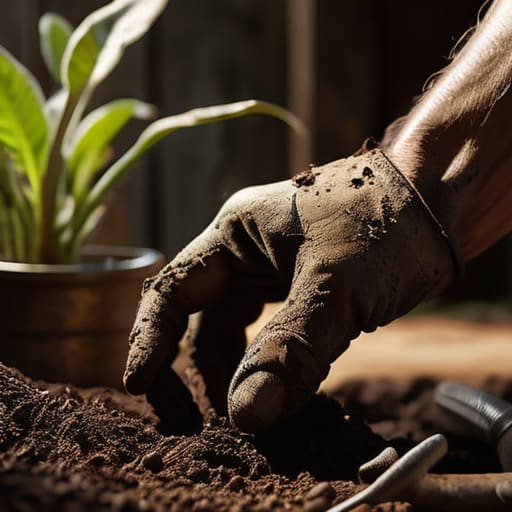
- Invest in a decent pair of gloves and a sturdy pair of boots, but don’t go overboard. You don’t need professional-grade gear, but cheap, flimsy gloves that tear after one session of weeding are a waste of money. Buy one solid pair that fits, because if your hands are blistered and your feet are wet, you’ll stop gardening, and a garden you don’t tend is just a very expensive way to grow weeds.
The Bottom Line on Your First Harvest
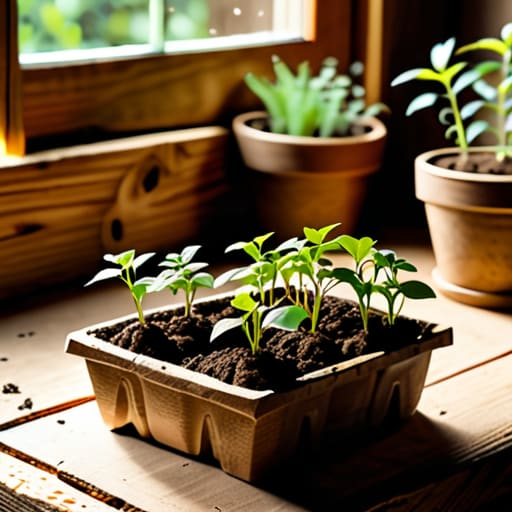
At the end of the day, starting a vegetable garden is less about having a green thumb and more about managing your resources. We’ve looked at why skimping on soil is a fool’s errand and why choosing between raised beds and in-ground planting is essentially a decision about your initial capital outlay. If you treat this like a hobby where you can just wing the logistics, you’ll end up spending three times the budget on replacement seedlings and corrective compost by mid-July. Treat your garden like a small, living business: invest in the infrastructure, account for the hidden costs of soil health, and don’t buy a single tool until you’ve actually mapped out your plot.
It sounds clinical, I know, but there is a profound, quiet satisfaction in seeing a return on that investment. There is nothing quite like the moment you realize that the $40 you spent on high-quality organic compost has yielded fifty dollars worth of heirloom tomatoes. Beyond the math, though, there is the sheer, stubborn joy of growing something real in a world that feels increasingly digital and ephemeral. It isn’t always pretty, and your first attempt might be a messy, expensive lesson in biology, but if you respect the process and the overhead, the payoff is entirely worth the labor.
