Self Publishing Without Looking Self Published

I once sat across from a client who had spent nearly six thousand pounds on a “publishing package” that promised him a bestseller status, only to hand him a book with a cover that looked like a photocopied flyer and a manuscript riddled with typos. It is the great, expensive lie of the modern era: that you can simply click a button and bypass the hard, expensive work of professional standards. Most of the advice you find online about how to self publish properly is either a predatory sales pitch or a delusional fantasy about “passive income.” If you treat your book like a hobby, the market will treat it like trash, and your bank account will feel the sting long before your ego does.
I am not here to sell you a dream or a magic software suite. My promise is much more practical: I am going to walk you through the unfiltered economics of the process. We are going to talk about actual line editing rates, why you cannot skip a professional cover designer, and how to manage your production schedule without losing your mind. This isn’t about inspiration; it’s about treating your manuscript like a business so you don’t end up as another cautionary tale in my inbox.
Your Manuscript Preparation Workflow Where Most Authors Waste Their Capital
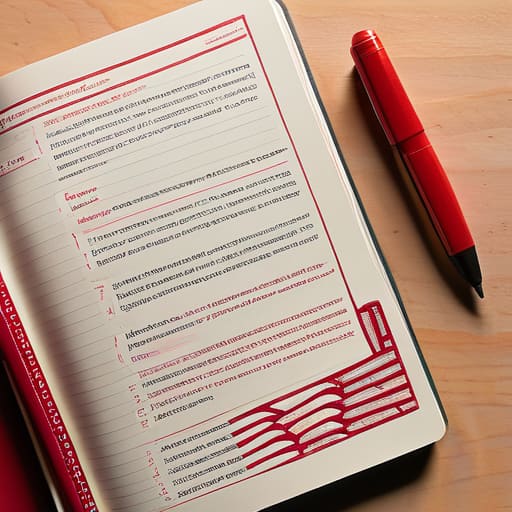
Most authors treat their manuscript like a finished product the moment they type “The End,” but that is where the financial bleeding begins. They rush straight into the marketplace, only to realize they’ve spent their entire budget on a cover designer while their prose is still a structural mess. A proper manuscript preparation workflow isn’t about finding inspiration; it’s about a cold, hard sequence of triage. You don’t move to formatting until the developmental edit is locked, and you don’t touch a single layout tool until the copy edit is finished. Skipping these steps is the fastest way to turn a potential profit into a sunk cost.
The real capital drain happens when you try to DIY the technicalities. I see it constantly: writers attempting to navigate professional book formatting services or complex layout software themselves, only to produce a file that looks like a high school newsletter. If your interior margins are off or your gutter is too narrow, your print-on-demand costs will eat your margins alive. Treat your preparation like a production line, not an art project. If you don’t respect the sequence, you aren’t publishing a book; you’re subsidizing a very expensive mistake.
The Isbn Acquisition Trap Ownership vs Convenience in Self Publishing

Here is the part where the “free” options start to cost you. When you set up your account on Amazon or IngramSpark, they will offer you a “free” ISBN. It looks like a gift, but it’s actually a leash. If you use their identifier, they are listed as the publisher of record, not you. This might seem trivial until you realize that you cannot move that book to another platform or distributor without losing your metadata, your reviews, or your sanity. For anyone serious about long-term indie author marketing strategies, owning your own ISBN is the difference between being a business owner and being a tenant in someone else’s digital apartment.
If you want to build a real backlist, you need to purchase your own identifiers through your national agency. Yes, it is an upfront cost—usually around $125 per number—but it is a non-negotiable part of a proper self publishing checklist for authors. It ensures that you, and only you, control the distribution rights and the bibliographic data. Never trade long-term equity for a moment of convenience; it is a mistake that most authors only realize they’ve made when they try to pivot their publishing model three years down the line.
The Five Pillars of Not Losing Your Shirt (or Your Sanity)
- Hire a professional copy editor before you even think about a cover designer. I see it all the time: authors spending their entire marketing budget on a gorgeous jacket only to have their debut crushed by reviews that say, “Great concept, but the grammar is a mess.” A beautiful wrapper won’t save a broken engine.
- Treat your distribution like a logistics problem, not a creative one. If you’re going wide, you need to understand the technical nightmare of different formats and territories. If you’re going exclusive to Amazon, you need to be prepared for the psychological toll of being locked in a single ecosystem. Either way, pick a lane and map out the route before you start driving.
- Budget for a professional cover designer who understands genre conventions. If you’re writing a psychological thriller and your cover looks like a cozy Regency romance, you aren’t “being unique”—you are actively sabotaging your sales. You pay for the designer to signal to the right readers that your book belongs on their shelf.
- Set a realistic launch timeline that accounts for the “administrative lag.” You cannot write a book on Monday and expect it to be live on Amazon by Friday. Between formatting, uploading, and waiting for the platform to approve your metadata, you need at least a month of buffer. If you don’t build in a margin for error, you’ll be paying for stress you didn’t need.
- Understand your royalties and the math behind your “break-even” point. Stop talking about “reach” and start talking about unit costs. If it cost you £3,000 to produce this book, you need to know exactly how many copies at a £3.99 price point it takes to get back to zero. If you don’t know your math, you aren’t an author; you’re a donor to the publishing platforms.
The Bottom Line: Three Hard Truths for the Self-Publishing Professional
Stop treating your manuscript as a finished product; it is a raw material that requires professional-grade refining—editing, proofreading, and formatting—before a single cent of marketing spend is wasted on a flawed foundation.
Own your metadata and your identifiers from day one, because the “convenience” of letting a platform handle your ISBN is actually a slow-motion surrender of your intellectual property and your ability to control your book’s lifecycle.
Treat your publishing budget as a capital investment rather than a series of one-off costs, and if you can’t account for the difference between your production expenses and your projected per-unit royalty, you aren’t an author—you’re a hobbyist with an expensive habit.
The Professionalism Gap
If you approach self-publishing as a way to bypass the gatekeepers, you’re going to find that you’ve simply replaced them with a much more expensive, much more unforgiving set of creditors. You aren’t just the author anymore; you are the CEO, the production manager, and the person responsible for the invoice, so stop treating your debut like a passion project and start treating it like a product launch.
Cressida Farrow-Bassey
The Bottom Line
If you’ve followed this far, you realize that self-publishing isn’t a magical escape from the gatekeepers; it’s simply a shift in who holds the keys to the warehouse. You’ve seen that success isn’t found in a “one-click” upload button, but in the unglamorous work of managing your workflow, securing your own identifiers, and treating every line of text like a financial asset. You cannot afford to treat your manuscript like a precious, fragile heirloom if you intend to sell it. It is a product. To do this properly, you must be as rigorous with your budgetary oversight and your technical standards as any Big Five editor would be.
At the end of the day, the industry will always try to sell you a shortcut that ends in a diluted profit margin. Resist it. The path of the professional self-published author is often lonely and occasionally exhausting, but there is a profound, quiet dignity in owning your work from the first keystroke to the final royalty statement. Stop waiting for permission to be a professional and start acting like one. The market doesn’t care about your intentions; it only cares about the quality of the finished book and the strength of the business behind it. Now, go finish that draft.
