Cutting a Third Out and Improving It

I spent three years in a windowless office in Bloomsbury watching authors mistake “more” for “better,” convinced that if they just added another thousand words of flowery description, they might finally justify their advance. It is the most expensive mistake you can make. Most writing gurus will tell you to “find your voice” or “embrace the flow,” but if you want to actually finish a project that doesn’t make an editor weep, you need to learn how to cut your own writing before someone else does it for you—and usually for a much higher hourly rate.
I’m not here to talk about the “magic” of brevity or finding your soul in the margins; I’m here to talk about the mechanics of it. I am going to show you how to identify the structural bloat that kills your pacing and how to kill your darlings without feeling like you’ve lost a limb. This isn’t about being a minimalist for the sake of aesthetics; it is about protecting your word count, your reader’s attention, and ultimately, your bottom line.
Eliminating Wordiness in Prose to Save Your Margin

The biggest mistake I see in first drafts isn’t a lack of ideas; it’s the sheer, exhausting weight of unnecessary scaffolding. Writers often mistake density for depth, piling on adverbs and qualifiers as if they’re building a fortress, when really they’re just drowning the reader. Eliminating wordiness in prose isn’t about making your work “thin”—it’s about making it lean enough to actually move. If you find yourself using “very,” “really,” or “suddenly” to do the heavy lifting, you aren’t writing; you’re stalling.
When I’m looking at a client’s manuscript, I’m looking for the connective tissue that serves no purpose other than to pad the page count. Tightening your narrative voice requires a certain level of ruthlessness. You have to stop treating every sentence like a precious heirloom and start treating it like a line item in a budget. If a phrase doesn’t advance the plot or sharpen a character, it is a luxury you cannot afford. Every extra word is just more friction between your idea and the reader’s brain.
Improving Sentence Economy Before the Editor Charges You
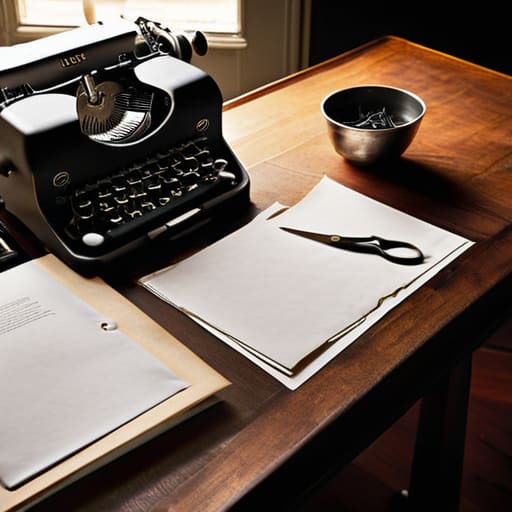
If you’re waiting until the professional edit to fix your pacing, you’re essentially paying someone to do your laundry. Most clients come to me with manuscripts that are bloated by “throat-clearing”—those introductory phrases that serve no purpose other than to signal that a sentence is starting. Phrases like “It is important to note that” or “I began to realize that” are nothing more than expensive clutter. By improving sentence economy during your own pass, you ensure that when you finally do hand the work over, you aren’t paying an hourly rate for an editor to perform basic surgery.
The real trick to tightening your narrative voice isn’t about finding bigger words; it’s about finding fewer of them. Look for your “crutch” adverbs—those lazy little words like suddenly, really, or very that attempt to do the heavy lifting your verbs should be doing. If you find yourself leaning on them, your prose is stalling. Strip the modifiers, sharpen the verbs, and stop treating your word count like a safety net. A lean manuscript doesn’t just read better; it protects your bottom line.
The Five Autopsies: How to Gut Your Draft Before It Costs You
- Kill your darlings, but more importantly, kill your adjectives. If you’re leaning on “very,” “extremely,” or “suddenly” to do the heavy lifting, you aren’t writing; you’re decorating a corpse. A strong verb doesn’t need a modifier to tell it how to behave, and neither does your bank account.
- The “One Idea Per Sentence” rule isn’t a suggestion; it’s a survival tactic. When you start stringing three clauses together with “and” or “which,” you aren’t being profound—you’re being exhausting. If a sentence takes two breaths to read, it’s too long. Cut it in half and save the reader the fatigue.
- Watch out for the “filter” words that distance the reader from the action. Phrases like “I felt,” “she noticed,” or “he realized” are nothing but linguistic clutter. Don’t tell me the character noticed the room was cold; just tell me the room was cold. It’s tighter, sharper, and it stops you from sounding like a passive observer in your own story.
- Audit your dialogue for “social filler.” In real life, we say “hello,” “how are you,” and “I see.” In a manuscript, that’s just wasted word count. If a line of dialogue doesn’t move the plot forward or reveal a character flaw, it’s dead weight. If it doesn’t earn its place on the page, it shouldn’t be there.
- The “Second Pass” purge. Once you’ve finished a draft, go back specifically looking for your crutch words—those little verbal tics like “just,” “actually,” or “basically” that you use when you’re unsure of your footing. They add zero value and only serve to make your prose look amateurish. If you can remove a word without changing the meaning of the sentence, remove it.
The Bottom Line on Trimming the Fat
Treat every unnecessary adverb like a leak in your bank account; if a verb can do the heavy lifting on its own, kill the modifier before it costs you an extra hour of billable editing time.
Stop treating your first draft like a sacred text and start treating it like a rough quarry; your job isn’t to polish the stone, it’s to chip away the excess so there’s actually a structure left to sell.
If a paragraph doesn’t move the narrative forward or provide essential information, delete it—sentimentality is a luxury that most freelance writers, especially those staring down a tight deadline, simply cannot afford.
The Cost of Clutter
Every unnecessary adverb is a tiny leak in your manuscript’s momentum, and if you don’t plug them yourself, you’re just paying an editor to do the housekeeping you should have done before the invoice even hit your inbox.
Cressida Farrow-Bassey
The Final Cut
At the end of the day, cutting your own work isn’t about being a minimalist for the sake of aesthetics; it is about protecting the integrity of your ideas and your bottom line. We have covered how to strip away the verbal fat, how to tighten your sentence structures, and how to stop paying an editor to do the heavy lifting you should have done in the first draft. If you can go into a professional edit with a lean, mean manuscript, you aren’t just saving money on hourly rates—you are ensuring that the editor spends their time refining your brilliance rather than performing surgery on your basic grammar. Kill your darlings, but more importantly, kill your clutter.
I know it feels personal. It feels like you are amputating a limb every time you delete a paragraph you spent three hours sweating over. But remember this: a manuscript is not a museum of your effort; it is a tool for communication. Every word that doesn’t earn its keep is just noise standing between your reader and your message. If you can master the art of the merciless delete, you will find that your voice doesn’t get lost—it actually gets louder. Now, go back to page one, find the bloat, and start cutting.
