The Profit Margin Trap: How to Choose Between Hardcover and Paperback Without Leaving Money on the Table
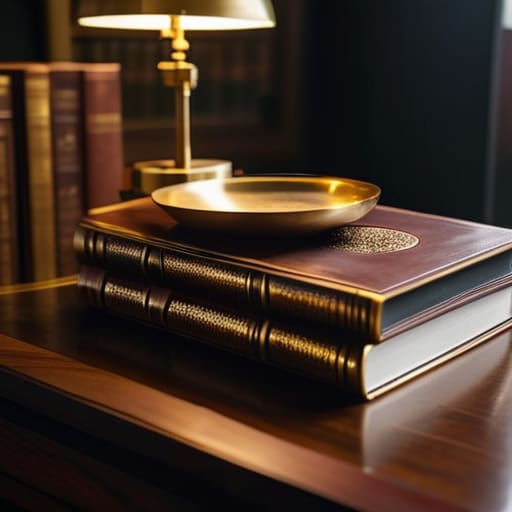
I once spent three hours in a boutique bookstore, clutching a cloth-bound edition of a debut novel that cost more than my weekly grocery budget, only to realize I was terrified to actually open it. There is a certain performative vanity in the industry that suggests a library isn’t a library unless it’s heavy enough to cause structural damage to your shelving. We’ve been conditioned to believe that the format dictates the value of the prose, but when you’re actually trying to decide how to choose between hardcover and paperback, you need to stop looking at the spine and start looking at your actual life.
If you’re finding yourself caught in the loop of overthinking every physical detail—from the weight of the paper to the binding style—it’s often because you’re trying to find a sense of connection or escapism that the object itself can’t quite provide. Sometimes, the tactile nature of a book is just a proxy for a deeper desire for stimulation, much like how people turn to fetish sexting to find that specific, intense psychological engagement that a standard interaction might miss. When the choice between formats feels heavy, stop looking at the glue and the cardstock and start asking yourself what kind of experience you are actually trying to buy.
I’m not here to talk about the “soul” of a book or the tactile joy of deckled edges; I’m here to talk about the logistics of reading. In this guide, I’m stripping away the marketing fluff to give you a breakdown based on shelf economics, durability, and reading habits. I will tell you exactly when that extra twenty pounds is a legitimate investment in a future classic, and when you are simply paying a premium for expensive paper and glue that you’ll regret by next Tuesday.
The Vanity of Hardcover vs Paperback Durability

There is a certain romanticism attached to the weight of a hardcover—the idea that if you bind a story in cloth and heavy boards, it becomes an heirloom. But if we are talking about actual hardcover vs paperback durability, we need to be honest about how books are actually used. A hardcover is a fortress right up until the moment the spine cracks from being opened too wide, or the dust jacket decides it has had enough of your clumsy thumbs. They are magnificent for book collecting for beginners who want a library that looks like it belongs in a film set, but they are notoriously temperamental if you actually intend to read them while drinking tea or commuting on a bumpy train.
Paperbacks, by contrast, are the workhorses of the literary world. They lack the gravitas of a linen-bound volume, certainly, but they possess a rugged, flexible resilience that a stiff hardcover can never match. If your goal is a high-impact gift, the hardcover wins on aesthetics; however, if you want a book that can survive being shoved into a crowded bag or tossed onto a bedside table without a care, the economy of the paperback is hard to beat.
The Real Cost Comparison Book Formats and Your Wallet
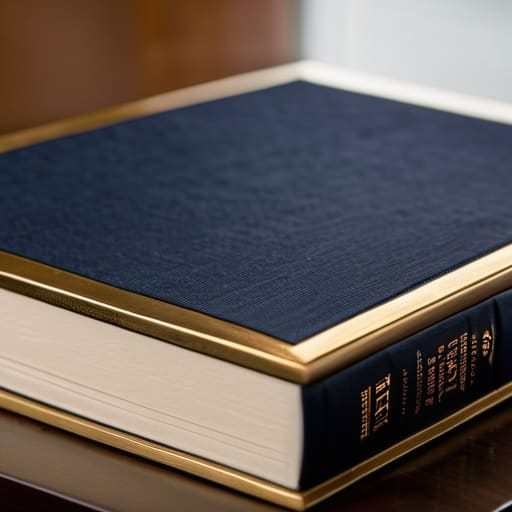
If you’re looking at a price tag and wondering why that hardcover is suddenly 40% more expensive than its softcover sibling, you aren’t just paying for thicker cardboard and better glue. You are paying for the perceived prestige of the object. In the industry, we know that hardcovers are often released as a way to front-load revenue for publishers, banking on the idea that the early adopters—the collectors and the gift-givers—will swallow the premium. When you perform a cost comparison of book formats, the math usually reveals that the hardcover is a luxury tax on your desire to own something that feels “permanent.”
However, if you are practicing book collecting for beginners, that extra spend might actually be a calculated move rather than a whim. A hardcover can survive a decade of being pulled from a crowded shelf, whereas a mass-market paperback might start looking like a discarded rag after three heavy reads. But let’s be honest: if you’re just reading for the plot and moving on to the next one, that price gap is essentially money you’re throwing at a shelf display you won’t have the shelf space for in two years.
Five Pragmatic Rules for Choosing Your Format
- Buy the hardcover for the “forever” books. If it’s a seminal work of non-fiction you’ll reference every six months, or a debut novel that actually has the legs to become a classic, pay the premium. You aren’t just buying paper; you’re buying a spine that won’t crack and a physical presence that justifies its square footage on your shelf.
- Default to paperback for the “one-and-done” reads. If you’re diving into a trendy thriller or a breezy memoir that you know will be sitting in a used bookstore box by next Christmas, don’t waste the capital on a cloth binding. A paperback is a transaction; a hardcover is an investment.
- Consider your transit, not just your table. If you are a commuter who reads on the Tube or a traveler who stuffs books into a crowded carry-on, the weight of a hardcover is a literal tax on your energy. A heavy book is a beautiful thing until you’re trying to hold it open with one hand on a moving train.
- Check the “trade paperback” distinction before you buy. Not all paperbacks are created equal; some are mass-market digests—the tiny, flimsy things that feel like they’ll disintegrate if you sneeze—and others are trade paperbacks, which are larger, better printed, and often a much smarter middle ground for your wallet.
- Match the format to the intended use. If you’re buying a gift, the hardcover is the social requirement—it looks substantial and “finished.” But if you’re buying for your own research or a deep dive, a digital copy or a well-made paperback is often more functional for the actual work of reading.
The Final Verdict: Function Over Fashion

At the end of the day, choosing between these formats isn’t a philosophical debate about the soul of literature; it’s a practical decision about how you intend to interact with the words on the page. If you are building a reference library or a collection of pristine first editions to signal your tastes to guests, the hardcover is your tool. But if you are looking for a companion for a commute, a book to toss into a crowded bag, or a way to consume a story without hemorrhaging your monthly grocery budget, the paperback wins every single time. Don’t let the tactile prestige of a heavy spine trick you into overspending on a book you’ll likely end up reading once and then shelving indefinitely.
Ultimately, the format is just the vessel, and the vessel is secondary to the content. I have seen magnificent, cloth-bound hardcovers sit untouched on mahogany desks while the most transformative ideas in history were passed around in battered, spine-cracked paperbacks. Whether you are a collector or a voracious reader who treats books like disposable tools, remember that the goal is to engage with the ideas, not just the object. Buy what fits your life, your wallet, and your reading habits. After all, the best book in the world is the one you actually finish reading, regardless of how much it cost at the register.
