Varying Sentence Length Does More Than Vocabulary
I once spent three days staring at a manuscript for a mid-list memoir, nursing a lukewarm latte and wondering why my brain felt like it was being sanded down by a coarse-grit sandpaper. The prose wasn’t “bad” in the traditional sense—the grammar was fine, the spelling was impeccable—but every single sentence was the exact same length. It was a relentless, metronomic thud that made me want to walk directly into the sea. Most writing guides will tell you that rhythm is some mystical, ethereal gift bestowed upon the inspired, but they’re lying to you. In reality, understanding how sentence rhythm affects reading is less about poetry and more about preventing reader fatigue. If your prose doesn’t breathe, your reader will simply stop breathing with it.
I’m not here to talk about the “music of the soul” or any other expensive nonsense you’ll find in a $29.99 masterclass. I’m going to show you how to use varying sentence structures to control the reader’s pace, keep them from checking their watch, and ultimately, protect the value of your work. We’ll look at the mechanics of flow, the cost of clunky transitions, and how to fix a monotonous draft without needing a rewrite that costs you another three months of rent.
Why Cognitive Load and Sentence Variety Drain Your Readers Attention
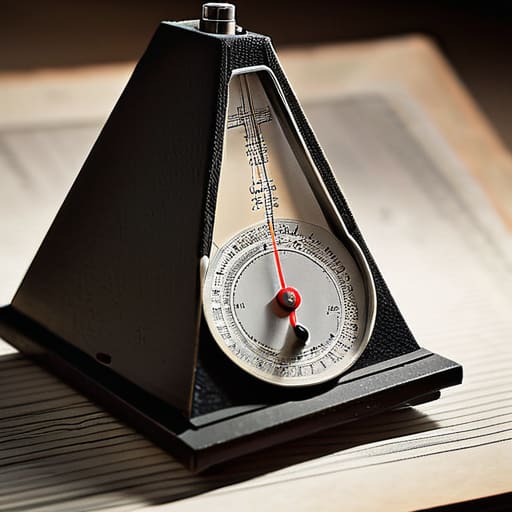
When I’m looking at a manuscript, I’m not just checking for typos; I’m measuring how much mental energy the writer is forcing the reader to expend. This is where cognitive load and sentence variety become a matter of economics. If every sentence follows the same subject-verb-object pattern, the brain stops actively processing the meaning and starts merely recognizing the pattern. It’s like listening to a metronome for fifty pages—eventually, the reader doesn’t hear the music; they just feel the fatigue.
The goal is to achieve a level of syntactic fluency and comprehension that allows the reader to glide. When you vary your sentence lengths, you are essentially managing the reader’s breathing. Short, punchy sentences provide clarity and impact, while longer, more lyrical structures allow for nuance and flow. If you ignore this, you aren’t just writing “badly”; you are actively draining the reader’s attention span, making it impossible for them to reach the end of the chapter—or the end of your book—before they decide the effort simply isn’t worth the payoff.
The Real Impact of Sentence Structure on Reader Engagement

When I’m looking at a manuscript, I’m not just checking for misplaced commas; I’m listening to the ghost of a voice. If a writer lacks a sense of cadence in prose, the reader doesn’t just get bored—they get exhausted. It’s the difference between a stroll through a park and being forced to march in step with a metronome. When every sentence follows the same subject-verb-object pattern, you lose the ability to signal importance. You lose the ability to breathe.
This isn’t just some academic concern about syntactic fluency and comprehension; it is a practical matter of keeping a reader from closing the book. When the rhythm is predictable, the brain enters a state of passive scanning. It stops working. To truly command attention, you have to manipulate the flow to mirror natural speech. You need the short, sharp sentence to punctuate a point, followed by a longer, more lyrical stretch that allows the thought to settle. If you can’t control the pace, you aren’t really directing the experience; you’re just hoping the reader survives the trip.
Five Ways to Stop Your Prose From Putting Readers to Sleep
- Vary your sentence lengths like you vary your client list. If every sentence is a medium-length, predictable slog, the reader’s brain goes into autopilot. You need the short, punchy sentence to snap them back. You need the long, flowing one to let them breathe. Without that oscillation, you aren’t writing; you’re just generating noise.
- Read your work aloud—and I mean actually out loud, not just in your head. If you find yourself running out of breath before you hit the period, your sentence is too long. If you sound like a malfunctioning metronome, your rhythm is broken. If you can’t read it comfortably, no one is going to pay to read it.
- Watch out for the “subject-verb-object” trap. It’s the safest way to write, but it’s also the fastest way to bore a professional editor to tears. If every sentence follows the same predictable architecture, the prose loses its musicality. Move your prepositional phrases, flip your clauses, and give the reader a reason to keep turning the page.
- Use rhythm to control the emotional temperature. Short, staccato sentences create tension, urgency, or anxiety. Longer, more complex structures invite reflection and nuance. If you’re writing a high-stakes scene but your sentences are drifting like slow-moving clouds, you’ve missed the mark entirely.
- Mind the “clutter” that kills momentum. Too many adverbs and unnecessary filler words act like speed bumps in a sentence. They don’t just add to your word count—which, let’s be honest, is a metric we should all be watching—they disrupt the natural cadence of the thought. Clean up the debris so the rhythm can actually do its job.
The Editor’s Cheat Sheet: Three Rules for Rhythmic Prose
Stop the staccato monotony; if every sentence is the same length, you aren’t writing prose, you’re writing a grocery list, and readers will tune out long before they hit your climax.
Use sentence length as a tool for pacing, not just a habit; short sentences drive tension and urgency, while longer, flowing structures allow the reader to settle into a thought.
Vary your rhythm to manage cognitive load, because a manuscript that forces the brain to work too hard on basic syntax is a manuscript that will never make it past the first round of developmental edits.
## The Invisible Tax on the Reader
“If your prose hits the same monotonous beat for ten pages straight, you aren’t just being boring; you’re taxing your reader’s brain. By the time they reach the end of the chapter, they’re too cognitively exhausted to care about your plot, and quite frankly, they’ve lost the energy to pay attention to the very thing you’re trying to sell them.”
Cressida Farrow-Bassey
The Bottom Line on Rhythm
At the end of the day, sentence rhythm isn’t some abstract poetic luxury to be indulged only after you’ve finished your first draft; it is a functional component of clarity and pacing. We’ve looked at how a monotonous, staccato delivery creates a cognitive tax that eventually bankrupts your reader’s attention, and how a lack of structural variety makes even the most brilliant ideas feel like a chore to digest. If you want your manuscript to move from the slush pile to a professional edit, you have to stop thinking about words as mere units of meaning and start treating them as beats in a sequence. A well-timed pause or a sudden, sweeping long sentence can do more for your narrative tension than a thousand adjectives ever could.
I know the temptation is to keep typing until the idea is out of your head and onto the page, but remember that the real work—the work that actually gets published—happens in the recalibration. Don’t let your prose become a flatline of medium-length sentences that lulls your audience into a stupor. Instead, aim for a cadence that commands the room. Writing is a craft of precision, and mastering the music of your sentences is how you ensure that when a reader finally turns the last page, they aren’t just exhausted, but they are ready to pay attention to whatever you write next.
