How a Book Reaches a Shelf

I remember sitting in a windowless meeting room during my third year in publishing, listening to a senior acquisitions editor describe the “magic of the supply chain” as if it were some divine, effortless grace. He spoke about books appearing on shelves like birds migrating south, completely ignoring the fact that a book only moves because a series of expensive, often grumpy people in warehouses move it. If you’ve ever felt like the industry is gaslighting you about how distribution actually reaches shops, you aren’t crazy; you’re just paying attention. The reality isn’t a seamless flow of ideas; it is a clunky, expensive sequence of wholesalers, distributors, and retailers all taking a bite out of your hard-earned margins before a single reader even picks up your work.
I’m not here to sell you on the romanticism of the “reach.” I am here to pull back the curtain on the logistics, the fees, and the gatekeepers. In this piece, I will break down the actual mechanics of the process so you can understand exactly where your money goes and how to protect your profit. No fluff, no industry jargon used to hide incompetence—just the cold, hard math of getting a physical product from a printer to a customer.
The Wholesale to Retail Pipeline Where Your Margins Vanish
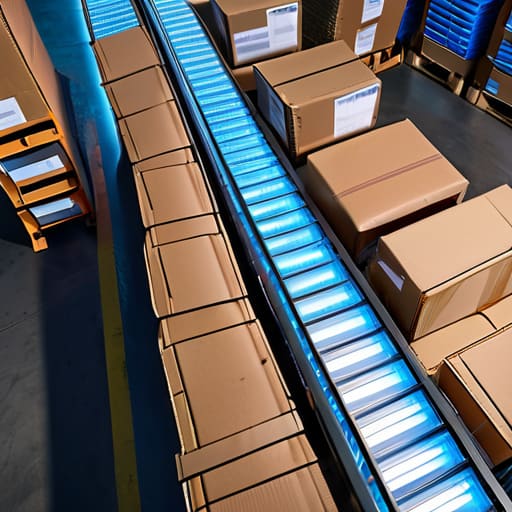
The wholesale to retail pipeline is where the math of your business begins to feel like a personal insult. You see a finished product and a retail price tag, but between those two points lies a gauntlet of fees designed to keep the gears turning. Once your goods leave the manufacturer, they enter a complex web of supply chain logistics that involves more than just moving boxes from A to B. You are paying for the storage, the handling, and the sheer administrative weight of ensuring that the right SKU is in the right place at the right time.
By the time your inventory hits a distribution center, the margins have already started to thin. Every hand that touches the pallet—from the warehouse manager overseeing distribution center operations to the driver navigating the final stretch—is a line item on an invoice you didn’t realize you were writing. This is the reality of retail inventory management: it isn’t just about having enough stock; it’s about surviving the cost of moving that stock through a system that prioritizes volume over your bottom line. If you aren’t accounting for these slippages, you aren’t running a business; you’re running a charity for middlemen.
Distribution Center Operations the High Cost of Moving Boxes
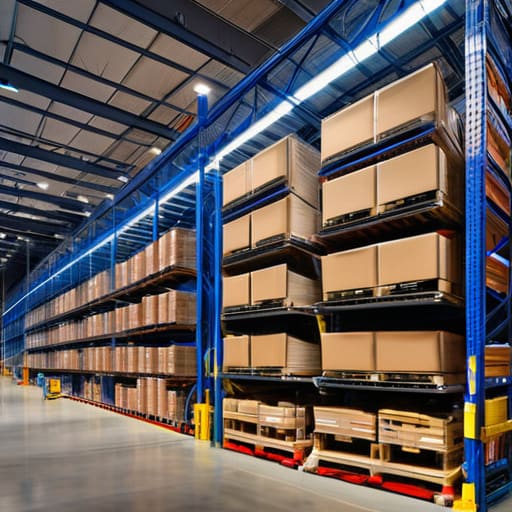
Once the goods leave the wholesaler, they enter the purgatory of the distribution center. This is where the romantic notion of “getting your product to market” meets the grinding reality of distribution center operations. It’s not just a warehouse; it’s a high-stakes game of Tetris played with expensive inventory. Every minute a pallet sits idle, or every time a picker misreads a SKU, your profit margin takes a hit. You aren’t just paying for square footage; you are paying for the labor, the electricity, and the specialized software required to keep the chaos organized.
The real headache, however, lies in the synchronization of stock replenishment cycles. If the warehouse is too slow, the shelves sit empty and the retailer loses a sale; if they are too fast, you’re paying to store excess stock that’s essentially dead capital. It’s a delicate, expensive dance of timing. By the time your product is sorted, scanned, and loaded onto a truck, a significant chunk of your initial markup has already been swallowed by the sheer mechanical cost of moving a box from point A to point B.
Five Hard Truths About Getting Your Product Into the Wild
- Stop thinking about “reach” and start thinking about “slotting.” You can have the most brilliant product in the world, but if you haven’t budgeted for the fees required to actually sit on a shelf, you’re just shouting into a vacuum. Distribution isn’t about being seen; it’s about being allowed to exist in a physical space.
- Watch your margins like a hawk during the wholesale hand-off. A common mistake is calculating your retail price based on your production cost, forgetting that the wholesaler is going to take a significant bite out of that middle layer before the retailer even sees a penny. If your math doesn’t account for a 30-50% haircut, you aren’t running a business; you’re running a charity.
- Logistics is a game of inches and errors. Every time a pallet is moved, scanned, or mislabeled in a distribution center, a tiny fraction of your profit leaks out in “shrinkage” or handling fees. If you aren’t tracking your landed cost—the total price of a product once it has arrived at the retailer’s door—you are flying blind.
- Don’t mistake a distributor for a partner. A distributor is a service provider, not your marketing department. They are excellent at moving boxes from Point A to Point B, but they aren’t going to fall in love with your brand or tell a shopkeeper why your product is special. You still have to do the heavy lifting of brand demand.
- Build a buffer into your delivery timelines. In the world of physical distribution, “next day” is a polite fiction. Between driver shortages, warehouse hiccups, and the sheer chaos of the supply chain, things will go wrong. If your cash flow depends on a perfectly timed delivery to a retail chain, you’re going to have a very stressful fiscal year.
The Bottom Line: What You’re Actually Paying For
Distribution isn’t a service; it’s a series of hand-offs, and every time a box changes hands, a percentage of your profit disappears into a logistics fee or a warehouse handling charge.
Don’t mistake “availability” for “profitability”—just because your book is sitting on a shelf in a shop doesn’t mean you’ve seen a penny of the margin after the wholesaler and the retailer have taken their bites.
If you aren’t calculating your per-unit cost with the exactness of a spreadsheet, you aren’t running a business; you’re just subsidizing a very expensive supply chain.
The Myth of the Seamless Shelf
“Everyone talks about the ‘magic’ of seeing a book on a shop shelf, as if it just materialized there through sheer willpower. It didn’t. It arrived via a grueling, expensive gauntlet of warehouse fees, logistics surcharges, and middle-men who take their cut before you’ve even seen a penny of your royalty. Distribution isn’t a bridge; it’s a toll road.”
Cressida Farrow-Bassey
The Bottom Line: Survival in the Supply Chain
At the end of the day, getting a physical object into a customer’s hands is less about the elegance of your product and more about the brutal math of the logistics chain. We’ve looked at how wholesalers shave your margins, how warehouse fees turn your profits into dust, and how every extra hand that touches a box adds a layer of cost you likely haven’t accounted for in your initial pricing. If you aren’t factoring in the reality of distribution, you aren’t running a business; you’re running a very expensive hobby. You have to respect the invisible infrastructure that makes commerce possible, or you’ll find yourself with a warehouse full of inventory and a bank account that says otherwise.
It can feel overwhelming to realize that the “magic” of retail is actually just a series of expensive, complex hand-offs. But don’t let the complexity discourage you from building something real. Once you understand where the money leaks out, you can finally start plugging the holes. Knowledge of the system is your only real leverage; once you know exactly how much it costs to move a box from point A to point B, you can stop guessing and start pricing for profit. The logistics are messy, and the middle-men are hungry, but if you master the mechanics, you can actually afford to stay in the game.
